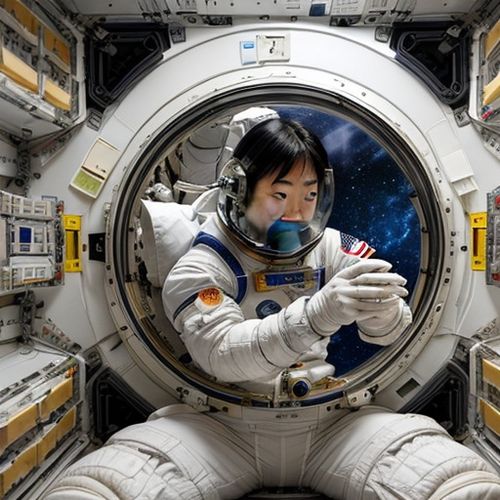
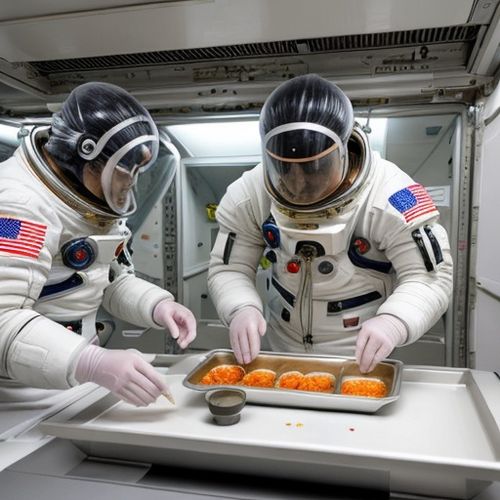
Japan is accelerating its research and development of space food as part of preparations for establishing a sustainable lunar base. With international efforts toward lunar exploration intensifying, the need for reliable and nutritious food sources for astronauts has become a critical focus. Japanese scientists and food manufacturers are collaborating to create meals that not only meet stringent nutritional requirements but also cater to the psychological well-being of astronauts spending extended periods in space.
The concept of space food has evolved significantly since the early days of space exploration. While early missions relied on simple, vacuum-sealed meals, modern space food must address long-term storage, minimal waste, and the challenges of microgravity or low-gravity environments. Japanese researchers are leveraging the country’s rich culinary traditions and advanced food technology to develop meals that are both functional and appealing. From fermented foods like miso and natto to rehydratable rice dishes, the emphasis is on creating a balanced diet that can withstand the rigors of space travel.
One of the key challenges in developing space food for lunar missions is ensuring long shelf life without compromising taste or nutritional value. Japanese companies are experimenting with advanced preservation techniques, including freeze-drying and high-pressure processing, to extend the longevity of food products. Additionally, efforts are being made to reduce packaging waste, as sustainability is a major concern for long-duration missions. The goal is to create a closed-loop system where packaging materials can be repurposed or recycled within the lunar habitat.
Another critical aspect of space food development is addressing the psychological impact of meal times on astronauts. Being away from Earth for months or even years can take a toll on mental health, and familiar, flavorful meals can provide comfort and a sense of normalcy. Japanese researchers are working on incorporating umami-rich ingredients and traditional flavors to combat "menu fatigue," a common issue where astronauts grow tired of repetitive meals. Dishes like ramen, curry, and even sushi-inspired options are being adapted for space conditions.
Collaboration between government agencies, private companies, and academic institutions is driving innovation in this field. The Japan Aerospace Exploration Agency (JAXA) has partnered with major food corporations to test and refine space food prototypes. These partnerships are not only advancing space technology but also have potential applications for food security on Earth, particularly in disaster-stricken or remote areas where long-lasting, nutritious food is essential.
As Japan positions itself as a key player in lunar exploration, its advancements in space food technology could set a global standard. The lessons learned from these efforts may also influence future missions to Mars and beyond, where self-sufficiency will be even more critical. With its blend of tradition and cutting-edge science, Japan’s approach to space food reflects a broader commitment to innovation and sustainability in the final frontier.
By Amanda Phillips/Apr 10, 2025
By Rebecca Stewart/Apr 10, 2025
By Emma Thompson/Apr 10, 2025
By James Moore/Apr 10, 2025

By Samuel Cooper/Apr 10, 2025

By Elizabeth Taylor/Apr 10, 2025

By Rebecca Stewart/Apr 10, 2025

By John Smith/Apr 10, 2025

By Michael Brown/Apr 10, 2025
By Emma Thompson/Apr 10, 2025
By Elizabeth Taylor/Apr 9, 2025

By Christopher Harris/Apr 9, 2025

By David Anderson/Apr 9, 2025
By Joshua Howard/Apr 9, 2025

By Emily Johnson/Apr 9, 2025
By John Smith/Apr 9, 2025
By Lily Simpson/Apr 9, 2025

By Lily Simpson/Apr 9, 2025